We’re lucky to spend our days rafting and kayaking some of the most beautiful rivers on Earth. On our trips we follow the 7 Leave No Trace principles in an effort to leave the places we visit better than we found them. This article shares the “LNT Principles” and how we adhere to them.
1. Plan Ahead and Prepare
Organizing a legendary river trip starts long before we hit the water. Each river has its own rhythm, rules, permits, and weather patterns, and our guides are river nerds in the best way possible. They know the ins and outs of current weather forecasts, river flows, fire restrictions, and campsite availability. Additionally, they follow detailed checklists to be sure nothing is left behind.
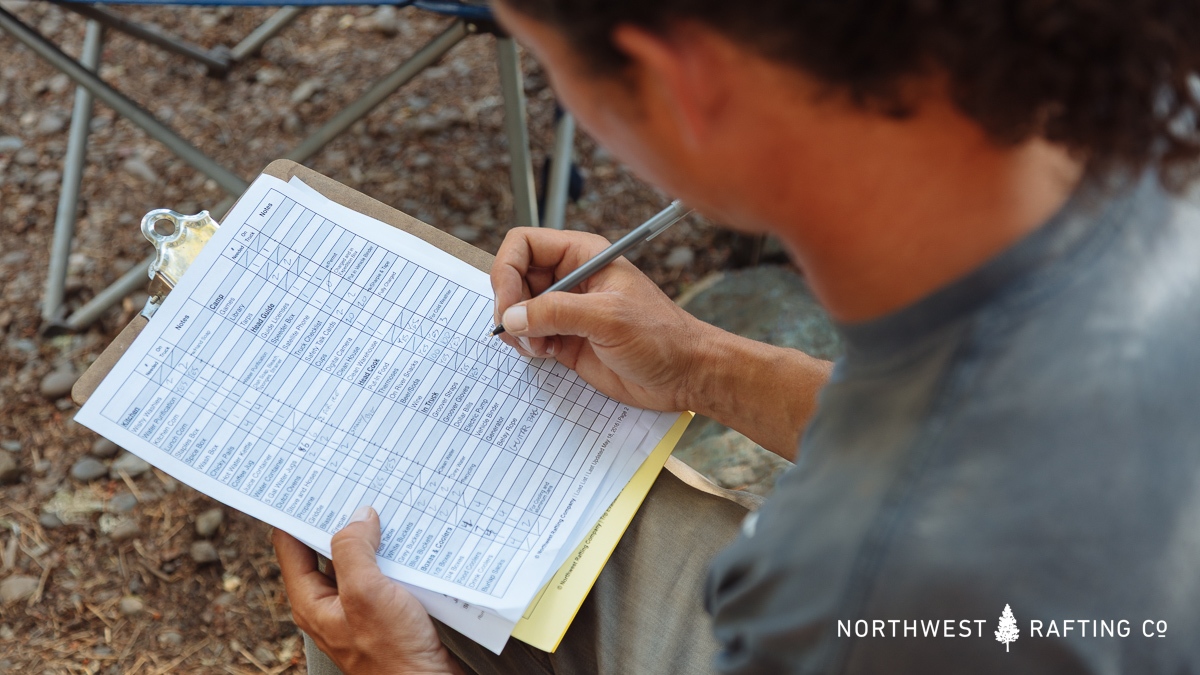
Why It Matters: When you plan well, you avoid unnecessary stress on the environment, other groups, and your group. This the first step to keeping the trip smooth, safe, and sustainable.
2. Travel and Camp on Durable Surfaces
Floating down rivers is a great way to travel though beautiful wilderness areas on a durable surface (the river). This allows us to bring a lot of camp gear with a minimal impact on the environment we’re in.
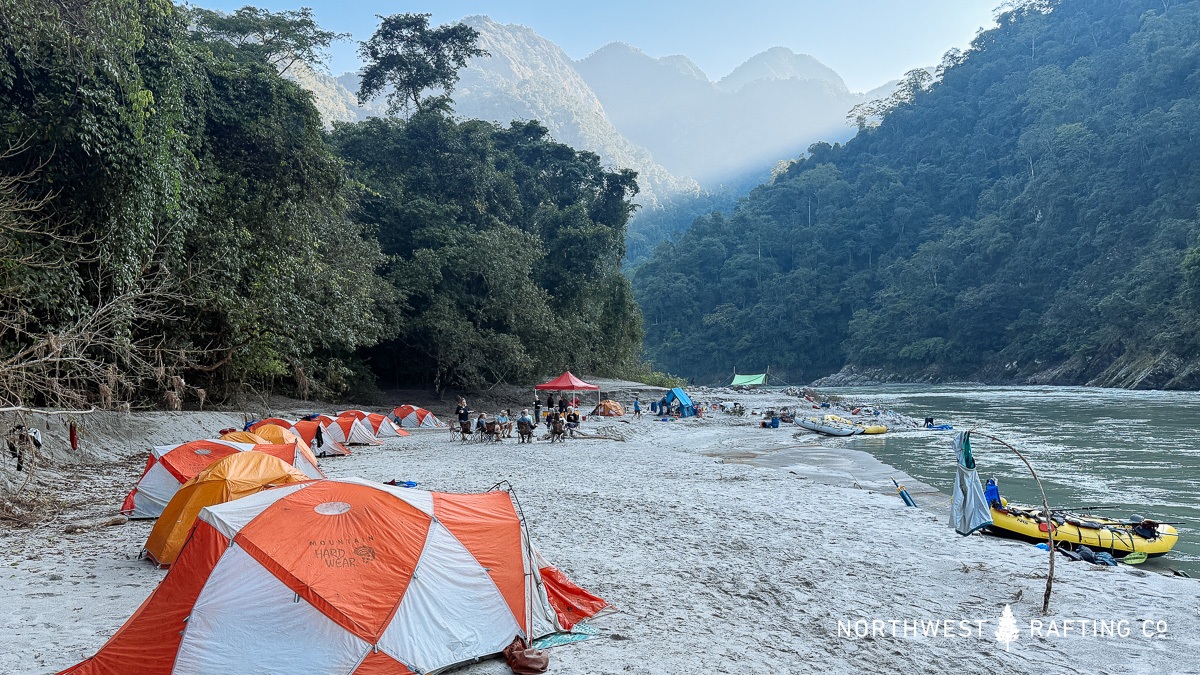
At the end of our day on the river we carefully select campsites that are the right size for our group and have durable tent and kitchen sites. We choose established camp sites and large, sandy beaches. While at camp we like to lead hikes and we stick to established trails and avoid cutting switchbacks.
Why It Matters: Every camp and trail has its limits. Sticking to durable surfaces keeps erosion down and ensures the river corridor stays healthy for the next crew to enjoy.
3. Dispose of Waste Properly
This one’s pretty simple: everything we bring in, we take out. We keep trash and recycling bins handy during meals and in camp so it’s easy to property dispose of waste.
And then there’s the groover. It’s not glamorous, but it’s essential for removing human waste. Every trip hat least one that allows us to pack out “number two” human waste responsibly. Urine is okay to go in the river. We’d much prefer peeing in the river so that our camps don’t smell like pee at the end of the season.
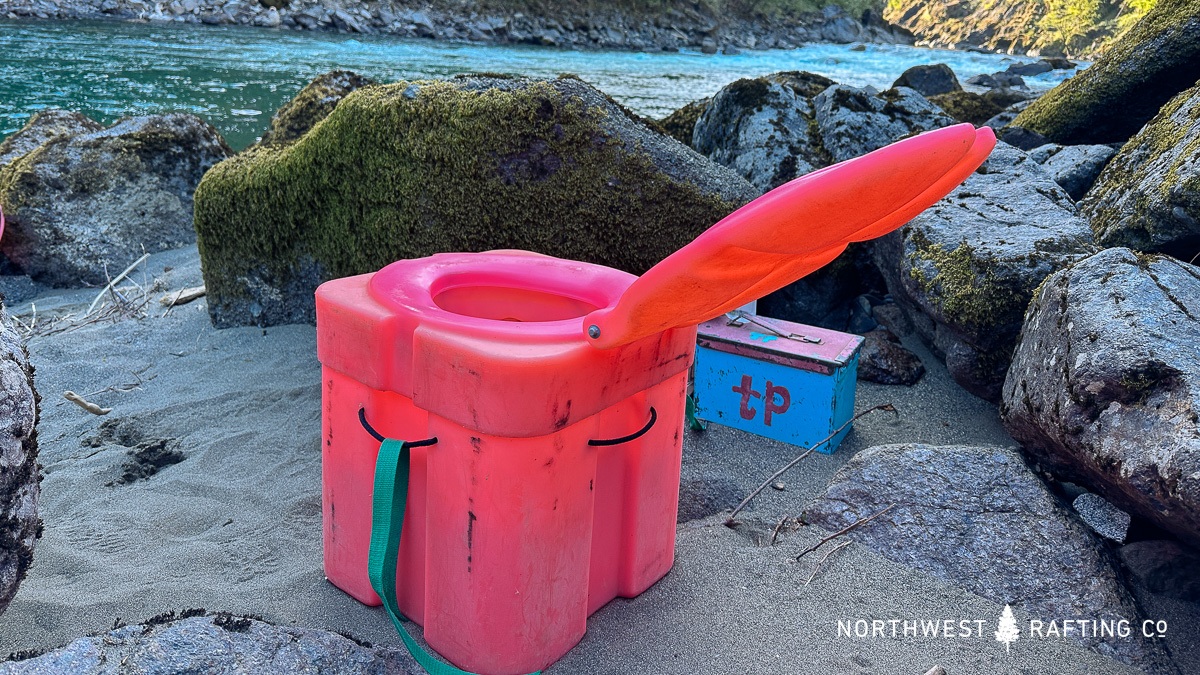
Why It Matters: Clean campsites protect the river, prevent critters from becoming pests, and make sure the next group shows up to a natural spot.
4. Leave What You Find
On your trip you may find things that you want to take home but we ask that you simply take a photo and leave these things behind.
This includes Native American artifacts (like arrowheads), remnants of other settlers, flowers, and/or rocks. When around pictographs please don’t touch them since the oils in your fingers can affect them.
Why It Matters: When we leave what we find, we help keep that sense of history alive for the next person who walks the same stretch of sand or rock.
5. Minimize Campfire Impact
There’s nothing like sitting around a camp fire after a fun day on the river! In order to keep river camps free of burnt wood and campfire marks on the ground we use raised fire pans with fire blankets underneath. The ashes are carried out in an “ash box.”
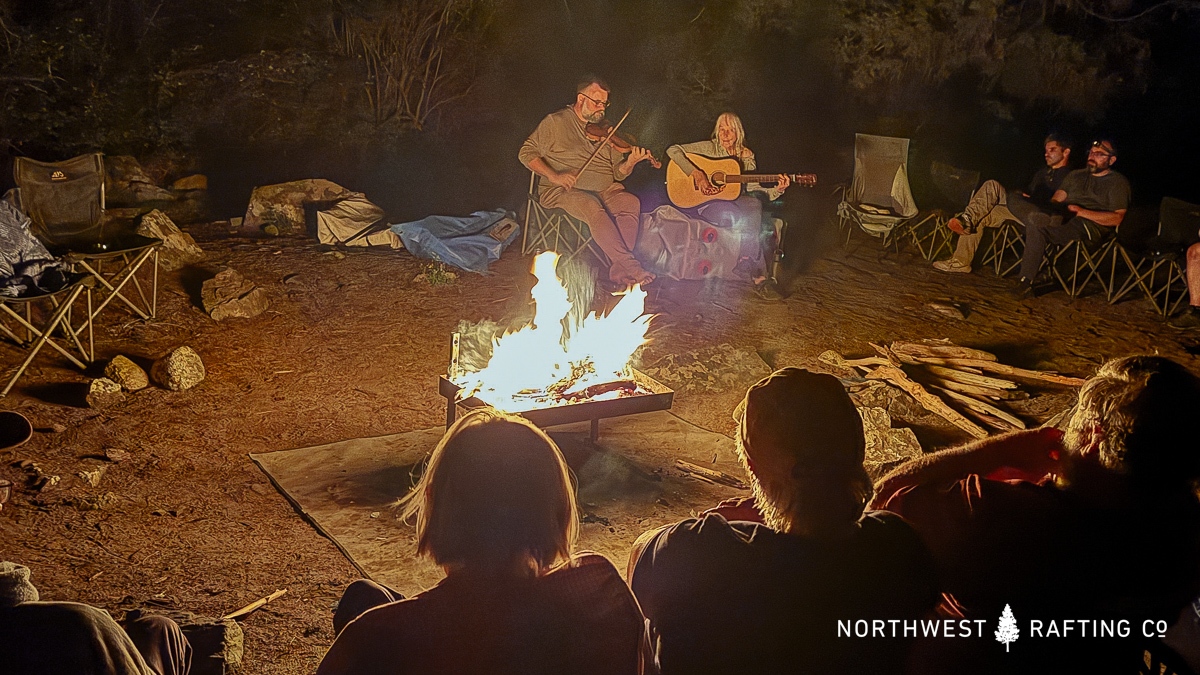
Sometimes when fire danger is high we skip the fire altogether. There’s something special about letting the stars be the evening’s entertainment instead.
Why It Matters: Good fire practices protect campsites, prevent wildfires, and keep beaches from turning into patchy black scars.
6. Respect Wildlife
From river otters to ospreys, bears to bald eagles, we’re the visitors out here. Our job is to watch from a distance and not interfere.

On trips, we secure food and trash every night so animals don’t learn to associate humans with snacks. We steer clear of nests and dens and we never feed or approach wildlife.
Why It Matters: Respecting wildlife keeps the ecosystem balanced and helps the next generation of animals (and people) thrive here. We are visitors in their home!
7. Be Considerate of Others
A big part of Leave No Trace is about how we treat each other on the river. Whether it’s taking a camp that is appropriate for your group size, keeping noise down when near others, or offering a friendly wave to a passing raft, courtesy goes a long way.
This principle also relates to technology like bluetooth speakers, drones, and wifi signals. Please be sure that your experience with technology doesn’t affect others who are trying to take a break from electronics.
Why It Matters: When everyone’s considerate, the whole river feels like home.
Stewardship Through Practice
The Leave No Trace Principles aren’t a rulebook, instead they are important guidelines we follow to respectfully enjoy the river. From packing gear to leaving a clean camp, these are guiding principles on every trip we run. When you join us, you’re part of that effort too. Together, we can keep these rivers wild, healthy, and ready for the next adventure.