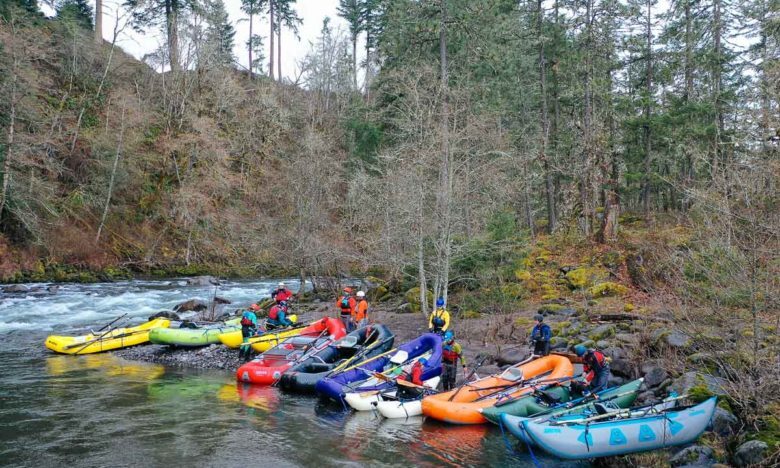
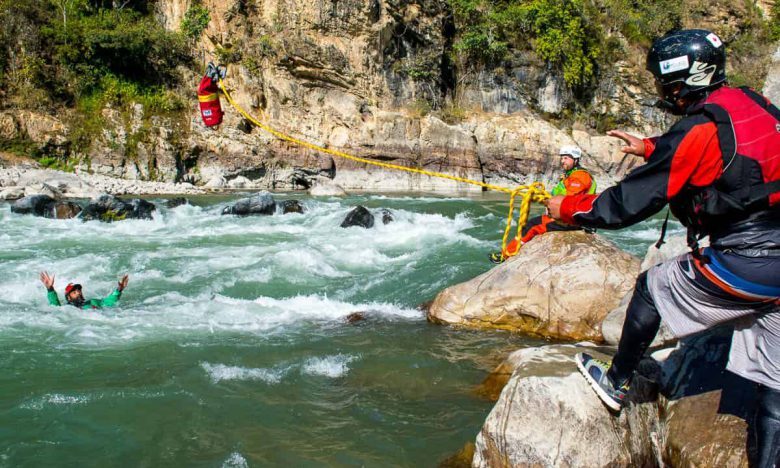
This article recaps the “Guide Training & Global Best Practices” presentation I shared at this year’s IOGA Annual Meeting and America Outdoors Conference.
👉 Guide Training and Global Best Practices Slide Deck (PDF)
👉 CPR and Drowning Lesson Plan (PDF)
👉 Beneficial Risks by Steve Smith
👉 Results of Best Practices Survey
The goal of this presentation is to share some things I’ve learned about guide, rescue, and first aid courses used to train river guides. Since the content of these courses can vary wildly depending on the training provider and the individual instructor the presentation finishes up with a discussion of a few hotly debated best practices.
What Are Some Things We Can Do To Make Our Trips Safer?
Guides who are skilled at getting their boats down the river are key to operating the safest trips possible. Below are some things we can consider to train and maintain quality guides.
- Hiring, developing, and retaining experienced guides
- Running professional guide schools
- Providing ongoing guide training (IRF, ACA, and in-house)
- Debriefing after trips
- Building a culture of keeping guests in boats
Guides with a high level of technical skill can minimize the number and severity of accidents by keeping their guests in the boat and away from hazards.
Training for When Things Go Wrong
To prepare for situations when things go wrong, guides typically complete the following types of training:
- Whitewater Rescue Courses
- First Aid Courses
- IRF Trip Leader Workshops
- Critical Incident Response Training
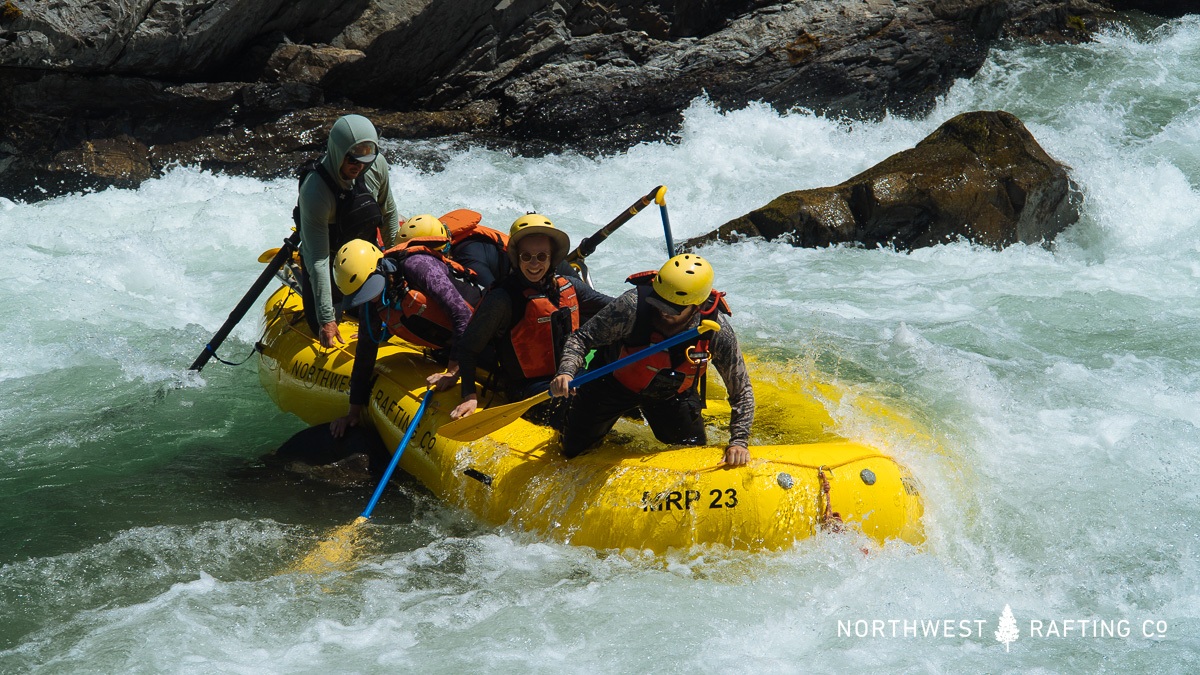
These courses can be expensive and the highest quality courses with the best instructors are generally the most expensive. That means that we (outfitters, instructors, and industry leaders) have a responsibility to make these courses exceptional. Not just theoretical or flashy, but practical, relevant, and grounded in the realities of commercial rafting.
First Aid Training
Understanding the differences between WFA, WAFA, and WFR also helps outfitters make smarter training decisions based on their river environments, access to communication, and expected evacuation timelines.
| Risk | Reliable Communication? | Time For Assistance | Course Length | |
| First Aid and CPR | Yes | Very Short | 4–6 hours | |
| WFA | Low | Yes | A Few Hours | 16+ Hours |
| WAFA | Low or Medium | Yes | Up to 12 Hours | 36+ Hours |
| WFR | High | No | Extended | 70+ Hours |
There’s no true accrediting body and course quality varies widely. The Wilderness Medicine Education Collaborative (WMEC) is the closest thing we have to industry-wide standards and the following schools teach to those standards.
WEMC Member Schools
- Aerie Backcountry Medicine (MT)
- Desert Mountain Medicine (CO)
- NOLS Wilderness Medicine (WY)
- SOLO Schools (NH)
- Wilderness Medicine Associates International (ME)
- Wilderness Medicine Training Center International (WA)
Other Schools
These schools state that they teach to the WMEC’s Certification Standard by teaching all required core topics and skills and meet the minimum required in-person hours.
- Backcountry Medical Guides (WA)
- Longleaf Wilderness Medicine (ID)
- Remote Rescue Training (WA)
- Sierra Rescue (CA)
The wilderness medicine schools listed above offer reciprocity with one another. In practice, this means that if you complete a course with any of these organizations, the others will recognize that training and allow you to recertify through them. If you take a course from a provider outside this group, however, your certification may not be recognized and you may not be eligible for renewal.
Swiftwater vs. Whitewater Rescue Training
An important conversation is the difference between swiftwater rescue and whitewater rescue. Swiftwater rescue was developed primarily for fire departments and professional responders who arrive at a scene with gear, a team, and a command structure. Whitewater rescue, on the other hand, is designed for river guides who are already on the water with limited equipment, limited personnel, and an immediate need to act. Both systems share similar principles, but their priorities and practical applications differ. For guides, whitewater rescue emphasizes simple, fast, and realistic techniques that match the environments we work in every day.
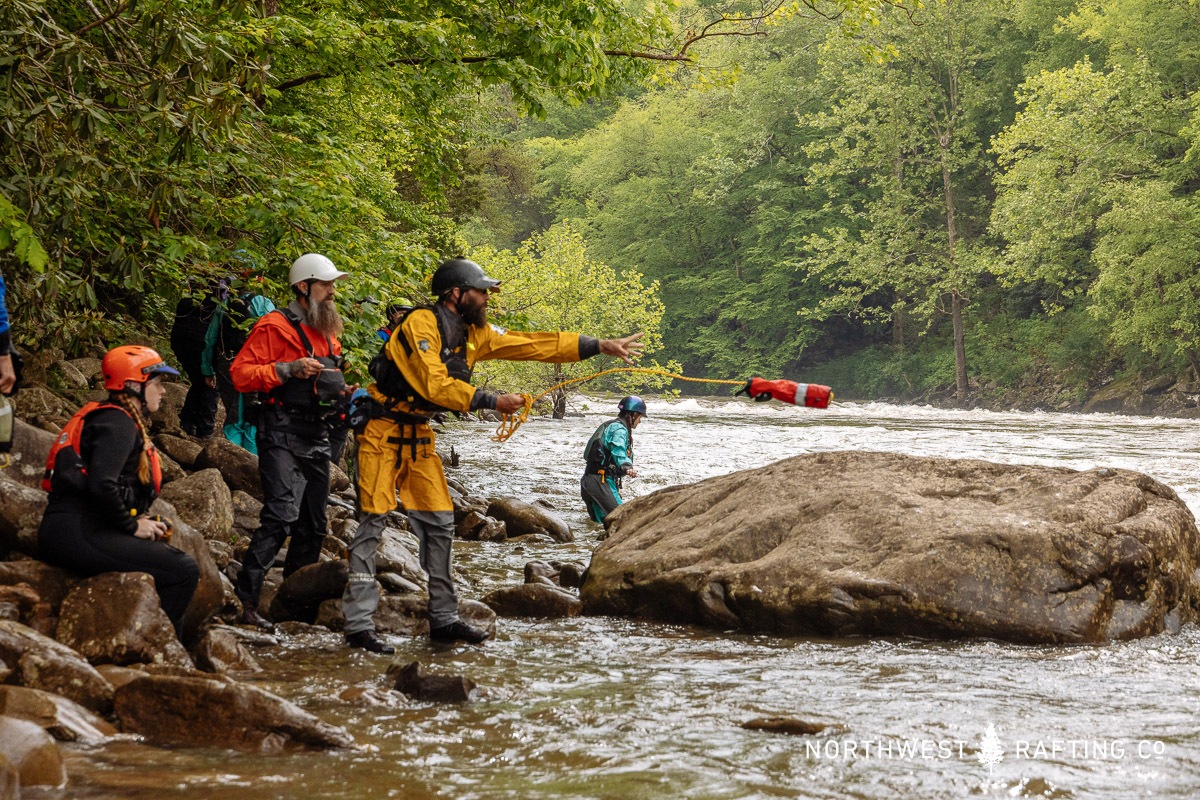
In the United States the organizations that offer a whitewater rescue curriculum designed for river guides are Rescue 3, Sierra Rescue, Swiftwater Safety Institute, and the American Canoe Association (ACA).
| Familiarity | Intro/Basics | Pro Level | Advanced | |
| ACA | Level 3: River Safety and Rescue (1 Day) | Level 4: Swiftwater Rescue Skills (2 Day) | Level 5: Advanced Swiftwater Rescue (2 Day) | |
| Rescue 3 | WRT-Foundation (1 Day) | WRT-Rec (2 Day) | WRT-Pro (3 Day) | WRT-Advanced (4 Day) |
| Sierra Rescue | River Safety and Rescue (1 Day) | RRC (2 Days) | RRC-Advanced / RRC-Professional (2–3 Day) | RRC-Elite (2 Days) |
| Swiftwater Safety Institute (SSI) | REC-I Swiftwater Rescue (2 Day) | PRO-I Swiftwater Rescue (Online + 2 Day) | PRO-II Swiftwater Rescue (Online + 2 Day) | Rigging For River Rescue (4 Day) |
Best Practices vs. Industry Standards
There are some people in our industry who are hesitant to talk about best practices or industry standards. I emphasized something Steve Smith writes about in his book Beneficial Risks:
“Ignorance of what your peers are doing to manage risk does not preclude you from being held to those same standards.”
In other words, even voluntary best practices can become de facto standards.
Understanding what other outfitters and guide communities are doing both in the U.S. and internationally helps each of us stay aligned with the broader industry.
Global Best Practices
This fall I put together a survey about some commonly debated “best practices” in river guiding and whitewater rescue courses. The survey received 158 responses and from those I evaluated the 127 from river guides, managers, owners, and rescue instructors that instruct river guides.
One of the most interesting results were two distinct tiers between high priority and lower priority whitewater rescue topics.
| Higher Priority Topics (in order) | Lower Priority Topics (in order) |
| Whitewater Swimming Swimmer Recovery CPR and Drowning Throw Bags Raft Flipping Basic Knots and Hitches Boat Spacing and Order | Single Bank Foot Entrapment Swiftwater Entry Wading Techniques Raft and Land Anchors Mechanical Advantage Strainer Swim Team Shallow Water Crossing Tethered Rescue Complete Knots Tension Diagonal, V Lower, Telfer Lower |
Summary
My goal with the presentation was simple:
- Share a few things I’ve learned about guide training
- Highlight what our peers are doing
- Spark conversations about guide training
We don’t have unified global standards, but we do have shared values of professionalism, continuous learning, and taking care of our guests and guides. I hope this presentation can spark ongoing conversations about guide training and best practices. As an industry we’re at our best when we learn from each other.
If you’d like to talk more about training programs, guide schools, IRF workshops, or rescue courses please reach out.